The Hidden Universe
Students uncover the invisible forces and processes that shape our world and beyond. From tracking energy transfers and changes of state to exploring ultraviolet light, infrared radiation and the full electromagnetic spectrum, these hands-on investigations bring cutting-edge space science into the classroom. Inspired by real missions such as Mars Express and journeys to worlds like Titan, each activity blends practical experimentation with planetary context, encouraging learners to observe closely, question deeply and think scientifically. Whether investigating why a metal handrail feels colder, how Mars’s ice caps grow and shrink, or how telescopes reveal hidden cosmic structures, students develop a core understanding of energy, matter and light, while discovering that the universe is far more than meets the eye.
Aimed at learners aged 8–16.
All Change!
This is a hands-on exploration of energy transfers designed to help students understand how energy moves, changes form, and is represented using Energy Transfer Diagrams. This activity introduces the key idea that while energy can shift into several forms at once, the total amount is always conserved, even when some transfers are less obvious or not useful for a task.
Through guided experiments, discussion, and thermal-imaging investigation, students discover where energy goes, how it can be detected, and why careful observation matters. Whether used as a stand-alone lesson or as part of a wider scheme on energy, this resource supports progression, curiosity, and scientific thinking across the curriculum.
DOWNLOADABLE files
What’s the Matter Mars? (3 variants)
Part 1: Mars Express
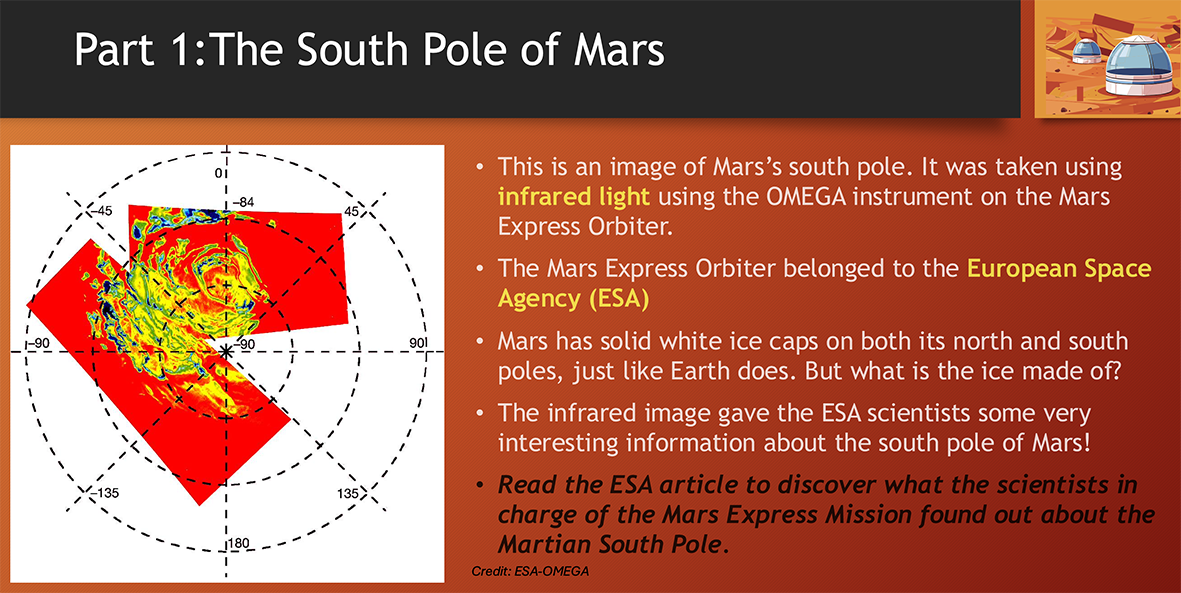
This literacy task introduces Mars Express, the ESA mission sent to study Mars’s atmosphere, surface and subsurface in the search for water and signs of past or present life. Two differentiated versions are provided: the original article, which includes an additional challenge question but has a very high reading age suitable only for the most able learners, and a simplified version with shorter sentences and more accessible vocabulary, though still challenging and not ideal for the least confident readers. While not essential before starting Part 2, this task offers valuable context that supports and enriches the learning that follows. Literacy Framework L3c
Answers are on the PRESENTATION SLIDES for both versions.
Part 2: Changes of State
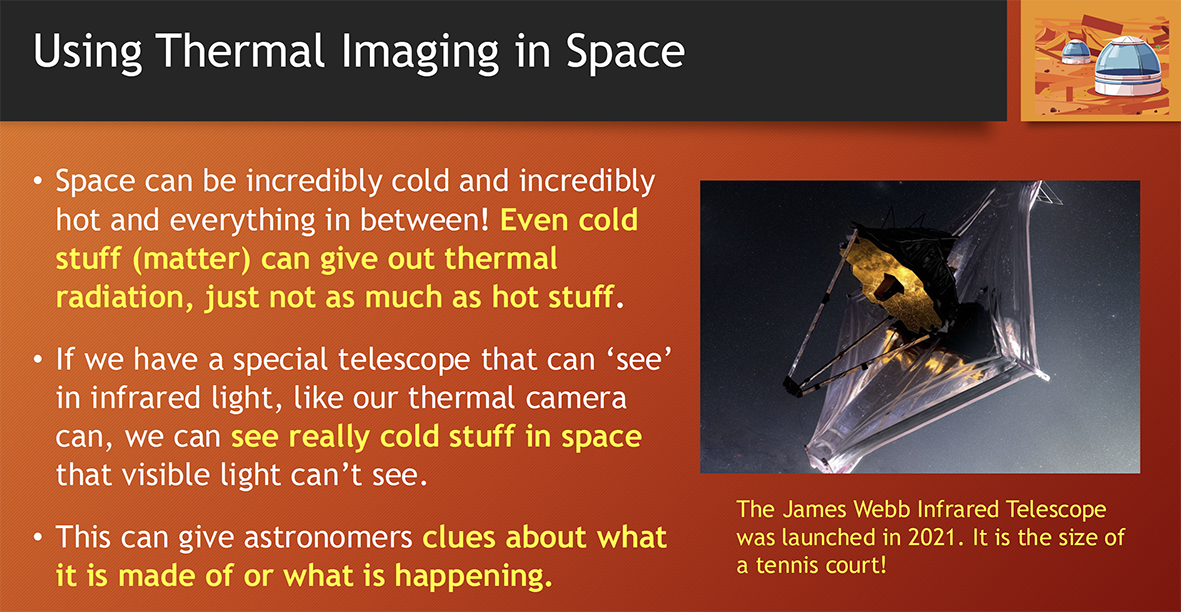
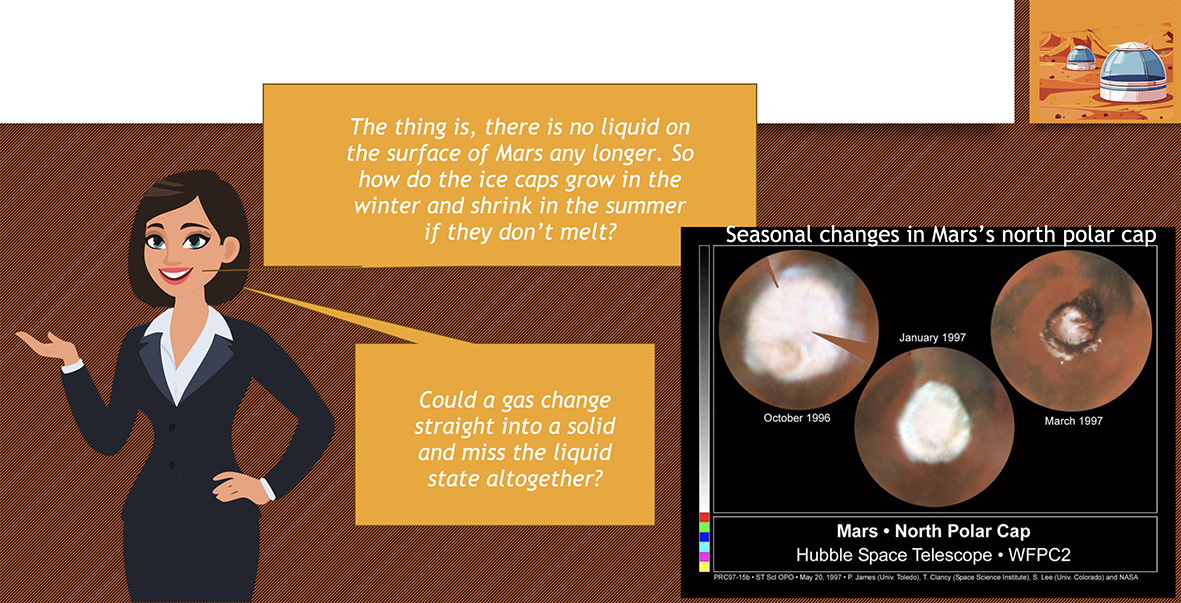
Explore how Mars’s mysterious polar ice caps change through the seasons by delving into the science of changes of state. This lesson guides learners through hands-on investigations using thermal imaging to see energy changes as substances melt, freeze, evaporate, or sublime. Students discover that these state changes are physical processes driven by energy transfers, and learn to describe them using the terms endothermic and exothermic.
Aimed at learners aged 8–11, this activity strengthens understanding of particle behaviour, energy flow, and real-world planetary science. With opportunities to extend into aged 11–14 thinking, the lesson connects physical chemistry to an exciting context: why Mars’s ice caps appear to grow and shrink. Through observation, prediction, and analysis, students develop scientific reasoning while uncovering the hidden energy stories behind the Red Planet’s changing seasons.
DOWNLOADABLE files
Part 3: Investigating Titan’s Lakes
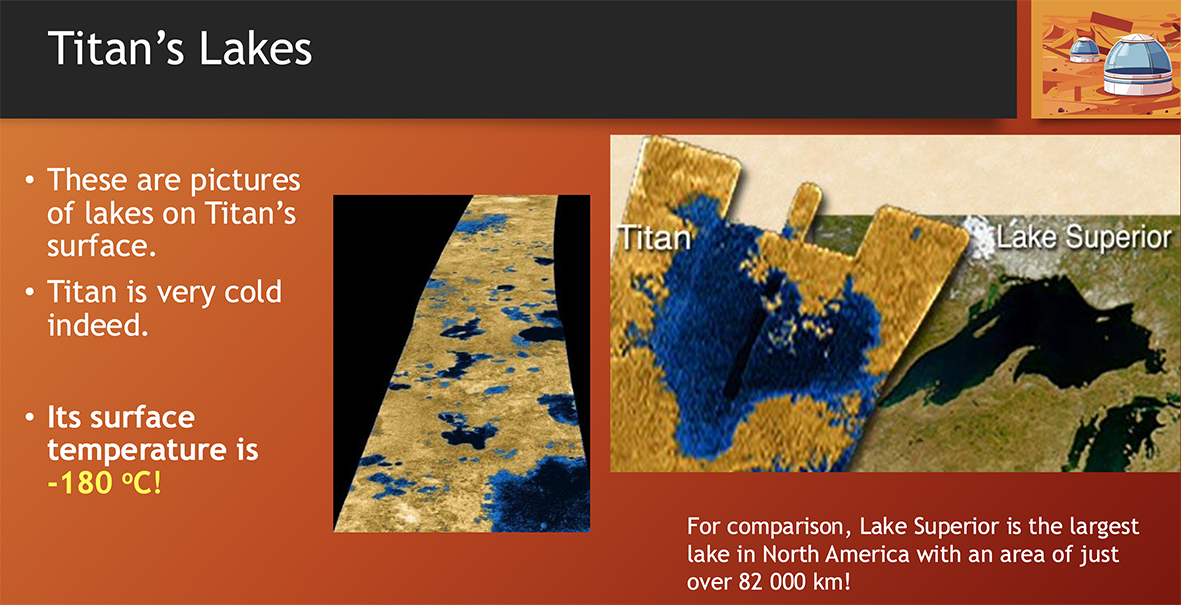
Journey beyond Mars to Saturn’s largest moon, Titan, home to lakes and seas made of materials that behave very differently from those on Earth. In this lesson, students apply their understanding of changes of state to interpret real scientific data and uncover what Titan’s lakes and atmosphere are made of. Using melting and boiling point information, and working confidently with negative temperature scales, students discover how extreme environments can shift substances between solid, liquid, and gas in surprising ways.
Ideal as a stand-alone exploration or as a follow-on from Part 2, this activity challenges learners to think scientifically, analyse unfamiliar data, and confront cognitive conflict as they realise that a common Earth gas becomes a liquid on Titan. By connecting planetary science with core chemistry skills, the lesson encourages curiosity, critical thinking, and a deeper understanding of how matter behaves across the Solar System.
DOWNLOADABLE files
Safe in the Sun
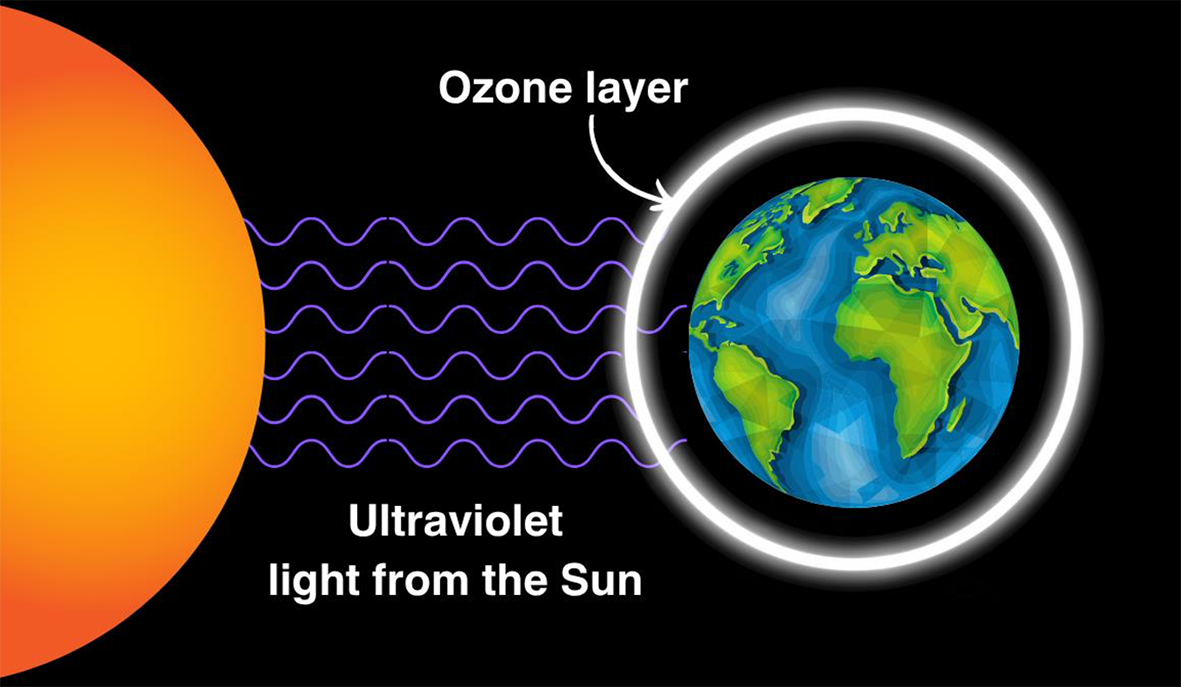
Help students uncover how ultraviolet (UV) light affects our skin, and how we can protect ourselves from it. In this hands-on investigation, students test a range of materials and substances to discover which ones block UV light most effectively, using UV-sensitive beads as simple but powerful indicators. Along the way, they explore where UV sits on the electromagnetic spectrum, why it carries enough energy to damage skin, and how sunscreens and other barriers help keep us safe.
This flexible activity can be delivered as a quick practical or expanded into a full scientific enquiry, complete with research opportunities in physics, chemistry, and biology. By linking classroom learning to real-world health and even wider space science, such as how different stars emit UV, this lesson encourages curiosity, critical thinking, and informed decision-making about staying safe in the Sun.
DOWNLOADABLE files
Telescopes on Target
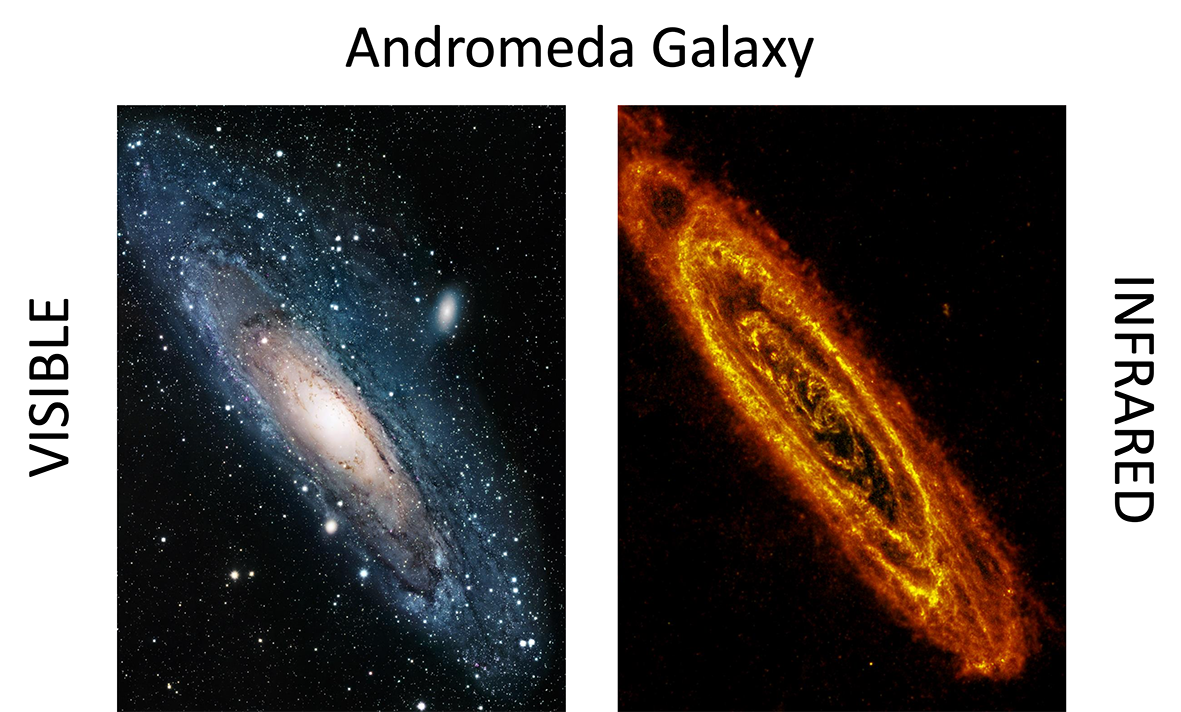
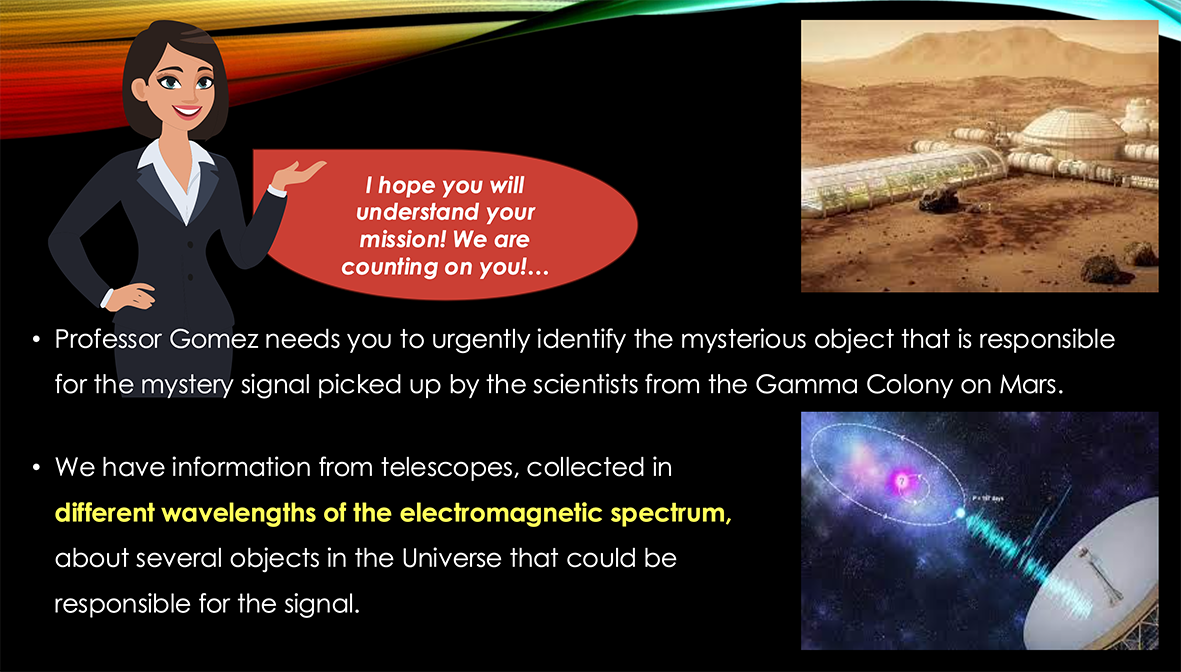
Take students on a mission to explore the universe through every wavelength of the electromagnetic spectrum. Telescopes on Target! introduces how astronomers use different types of light, from radio waves to X-rays, to uncover hidden features of nebulae, galaxies, and other cosmic objects that can’t be seen with visible light alone.
Through guided activities, optional thermal and UV investigations, and a multiwavelength image-matching challenge, students discover the link between wavelength and energy, why invisible light matters, and how combining data across the spectrum reveals a richer, more detailed picture of our universe. Designed as an interactive training programme, this lesson promotes teamwork, scientific reasoning, and a deeper appreciation of how we study the cosmos.
The Curiously Cold Handrail
Why does a metal handrail feel colder than wood or plastic, even when they’re all the same temperature? The Curiously Cold Handrail invites learners to uncover the answer by exploring thermal conductivity through infrared heat signatures. Using touch, thermometers, and (where available) thermal imaging, students investigate how quickly different materials absorb and conduct heat from their fingertips, and how this affects the temperatures we think we feel.
This practical, discussion-rich lesson introduces how thermal imaging works, builds understanding of conduction, and encourages students to question the accuracy and limitations of scientific methods. With opportunities to extend the investigation using a wider range of materials, the activity supports the development of scientific reasoning, data evaluation, and core ideas in energy and materials.
DOWNLOADABLE files
Hot or Not
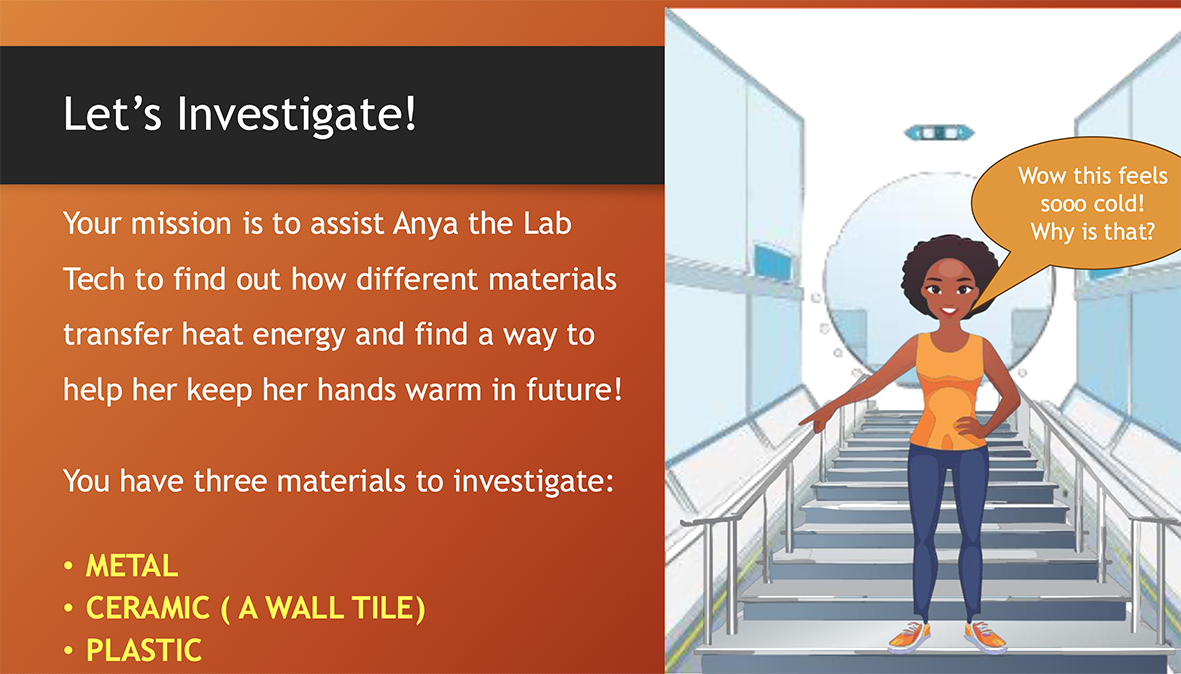
An accessible introduction to the science behind thermal imaging and the role infrared light plays in helping us understand the world around us. Through simple, engaging activities and real thermal-camera exploration, learners discover how infrared radiation reveals temperature differences, how thermal cameras convert heat into colour maps, and why this technology is so widely used in medicine, engineering, agriculture and conservation.
This lesson offers a clear, practical starting point for understanding infrared, encouraging curiosity as pupils investigate their own heat signatures, compare accuracy with traditional thermometers, and explore the surprising ways thermal imaging supports everyday life. Perfect as a stand-alone activity or as the foundation for deeper learning about electromagnetic waves, energy and materials.
DOWNLOADABLE files
The Heat is on
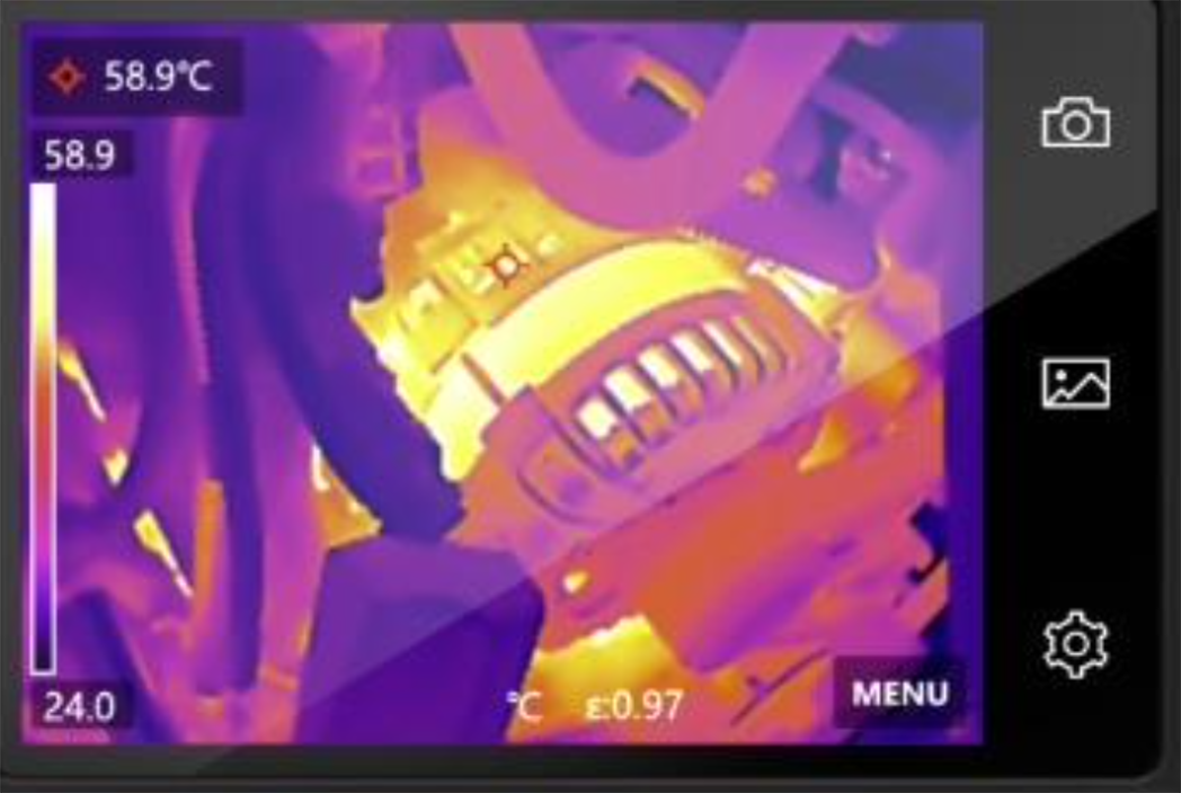
An investigative, escape-room-style science activity that introduces learners to the very different behaviours of visible light and infrared radiation. Using a thermal camera and a selection of everyday materials, pupils test what reflects, transmits or absorbs each type of light, before using their results to solve a mystery: who stole the missing heat module?
Working collaboratively, students explore how wavelength affects the way electromagnetic waves interact with materials, discover why some heat sources can be hidden while others can’t, and use scientific evidence to eliminate suspects. Rich in practical experimentation and discussion, this activity develops problem-solving, teamwork and core understanding of energy, materials and light, while keeping the mission fun and fast-paced.
DOWNLOADABLE files
Now You See me
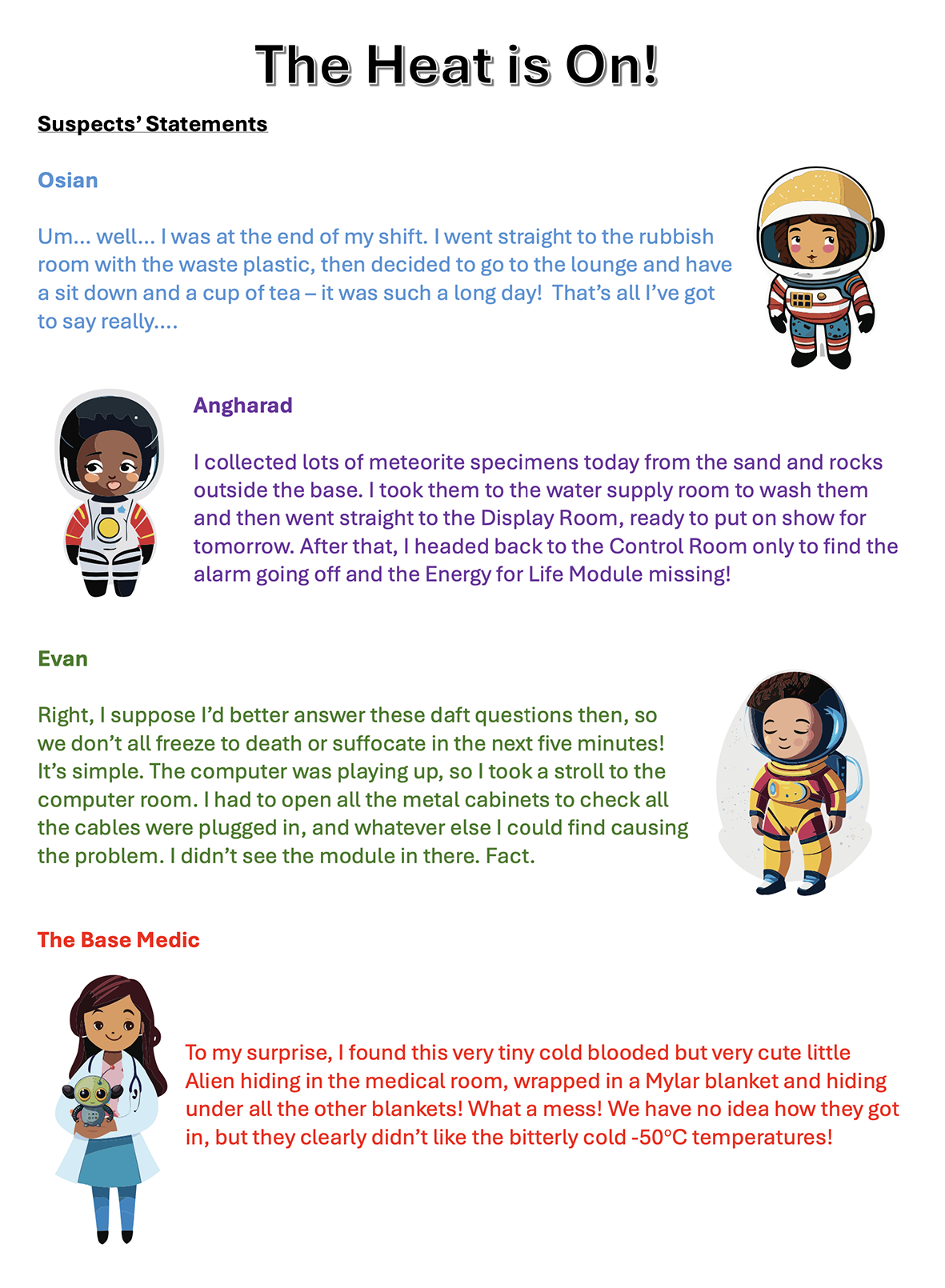
Invite students to explore how different materials interact with both visible and infrared light, lifting the lid on the hidden world beyond what our eyes can see. Using hands-on stations and a thermal imaging camera, pupils investigate which materials reflect, transmit or block different parts of the electromagnetic spectrum, and why infrared often reveals what visible light cannot.
Through guided exploration, students discover heat sources around the room, compare what they observe with their eyes to what the camera detects, and build a foundational understanding of concepts like reflection and transmission. Class discussion then helps them connect these ideas to real-world applications, from foil blankets used by marathon runners to how astronomers peer through cosmic dust.
This activity offers a highly engaging, practical introduction to the electromagnetic spectrum and the behaviour of light.
DOWNLOADABLE files